Manganese & Zinc Phosphate Parkerizing Services
Parkerizing Firearm Finishes
We offer both types of the Parkerizing finish which are Manganese and Zinc Phosphate. Both of the types we offer are the traditional military-spec Parkerizing, and have been used interchangeably by the same manufacturers on military firearms over the years. For a proper restoration or refinish it is crucial to understand the difference between the two, and know when to use which one. Whether it be for a Springfield 03A3 or an M1 Garand, metal prep is always important to get the best results. Many shops just rely on sand blasting alone to prep the firearm for finishing, but proper restoration requires the same attention to detail be applied in as much as making sure all the markings are in proper order before the final metal prep is carried out.
Naturally color variations with type of gun finish are most pronounced when different hardness areas are on the same firearm as in our Colt 1911 example. Also the type of finish itself plays a part in the final color, where zinc has a tendency to show up closer to grey, and manganese generally much darker.
Parkerized finishes are also one of the most "tough" and hardest wearing of all the finishes for firearms.
Not just for military firearms. This finish is also well suited for sporting and hunting firearms where extreme anti-corrosion is desired.
Superior Oil Retention, Anti-Galling & Custom Finishes
Although closely associated with military firearms, Parkerizing also remains a practical finish for working rifles, pistols, shotguns, and utility firearms. Its microcrystalline phosphate surface retains oil well, providing useful corrosion protection and a durable, non-reflective finish.
-
-
The Camshaft Connection: The same oil-retaining and anti-galling properties made manganese phosphate a common treatment for automotive camshafts, where it provided protection during engine break-in.
-
Parkerized and Hot-Blued Finishes: In some applications, manganese-phosphated parts can be hot blued after phosphating. This combination produces a dark, oil-retaining finish with excellent durability for hard-use firearms.
-
The Vintage Greenish Cast: The green or olive appearance seen on some vintage military firearms is often influenced by aging, storage conditions, surface preparation, and long-term exposure to oils and preservatives. It should not be treated as a single universal factory color across every make and production period.
-
Whether the goal is a period-appropriate military restoration or a durable finish for a working firearm, we evaluate the firearm, its original specifications, and its intended use before recommending the appropriate phosphate finish and surface preparation for your pistol, rifle or shotgun.
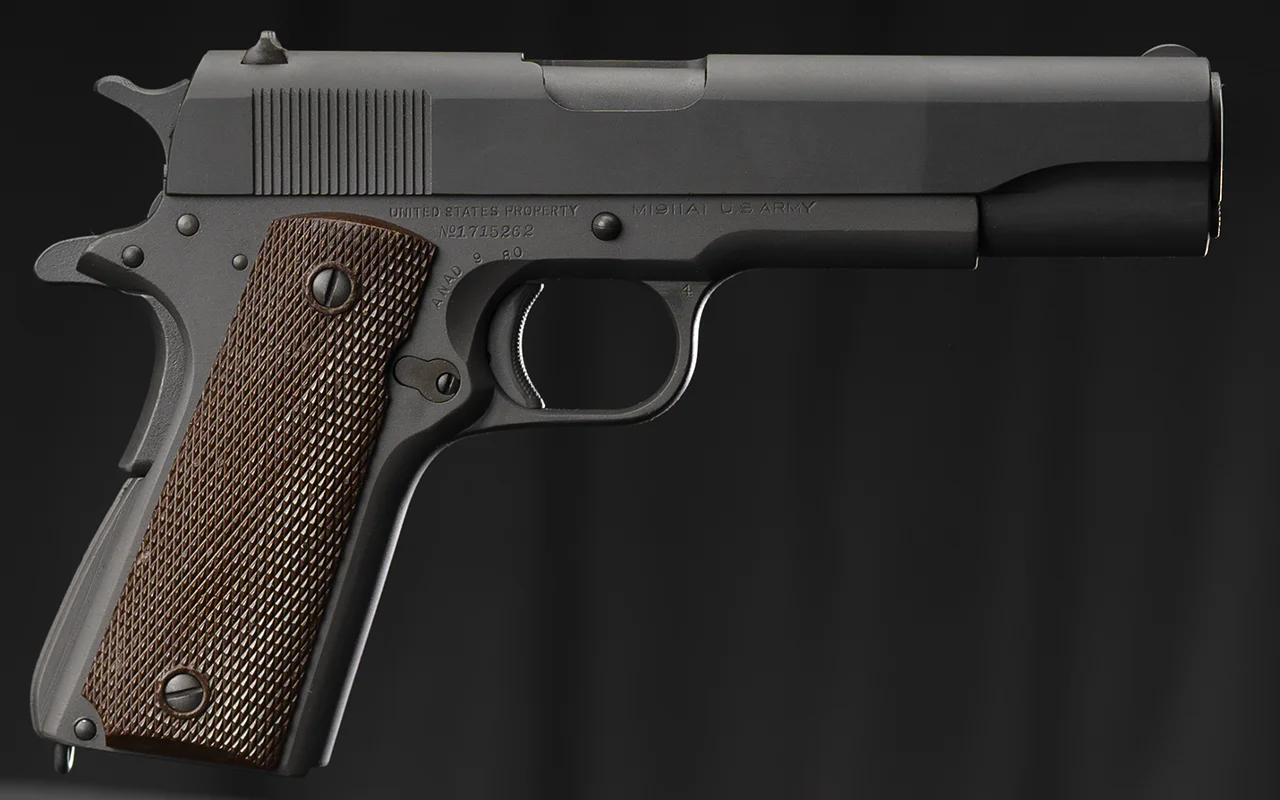
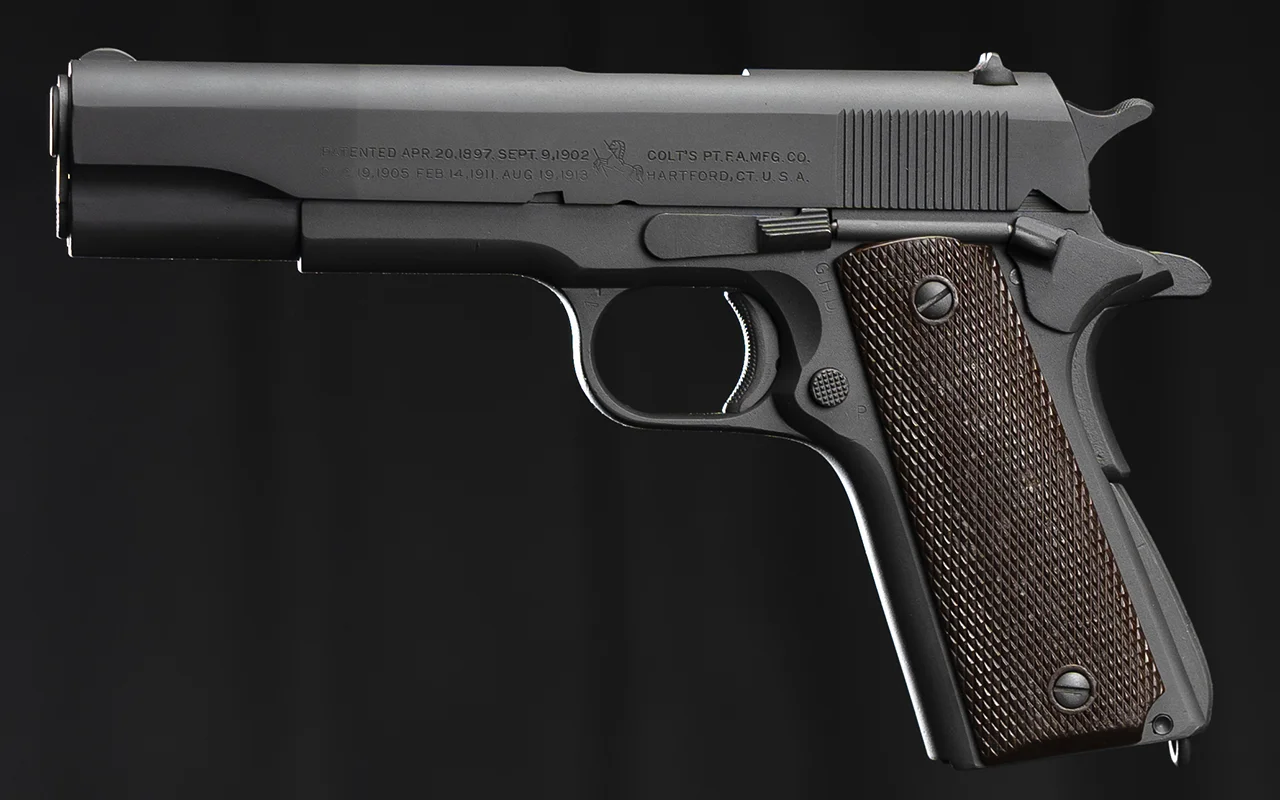
Parkerized Colt 1911A1 showing its uniform matte military finish and the characteristic heat-treatment color transition near the front of the slide.
Why Parkerized Colt 1911A1 Slides Show a Color Band
The visible color band near the front of many Parkerized Colt 1911A1 slides results from selective heat treatment used during manufacture to increase strength and wear resistance in heavily stressed areas. The hardened portion of the slide can react differently during the Parkerizing process, producing a distinct change in shade. This is a characteristic of the underlying steel and its heat treatment—not an inconsistency in the phosphate finish.
Springfield 1903 Mark I Parkerizing
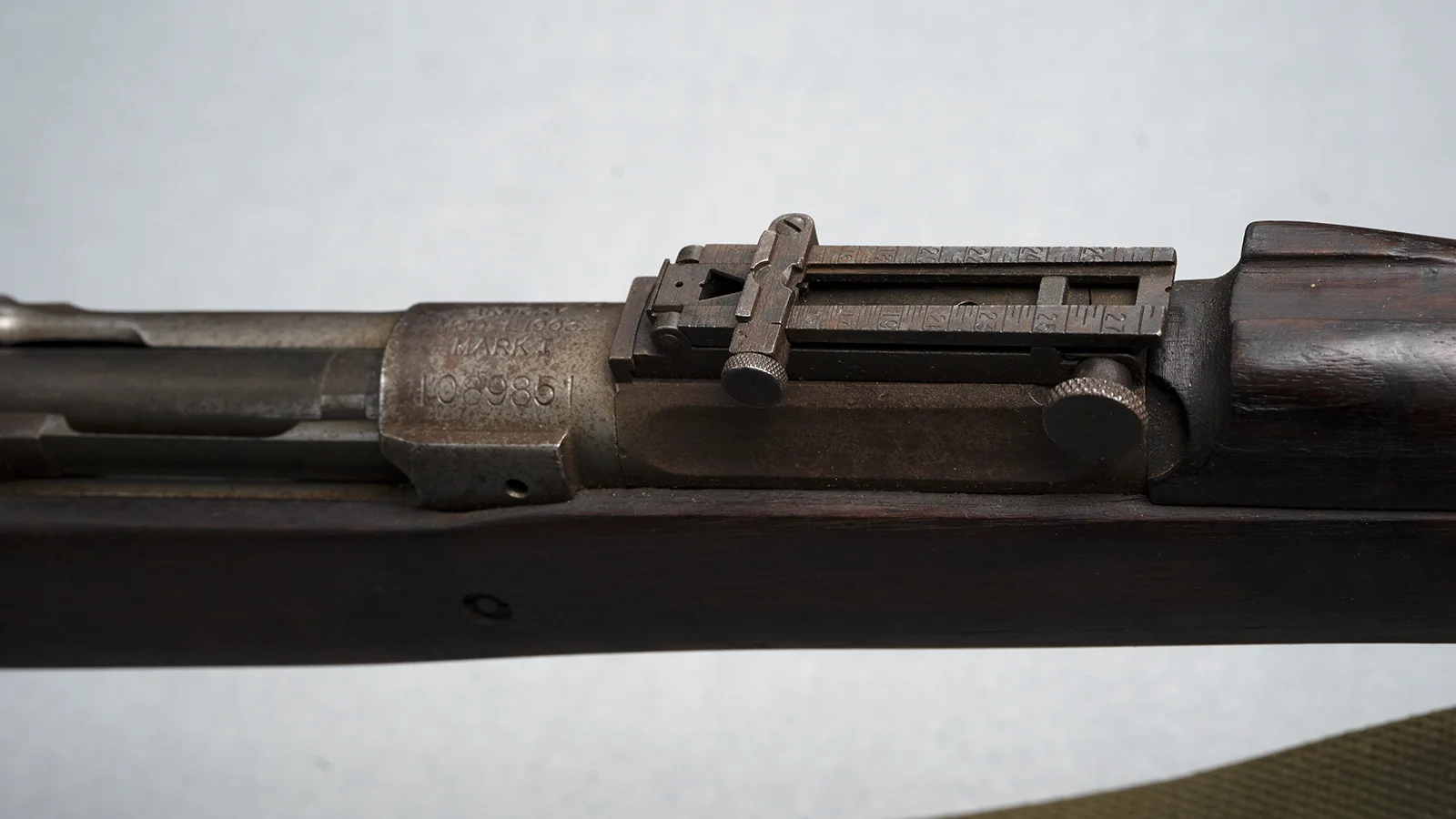
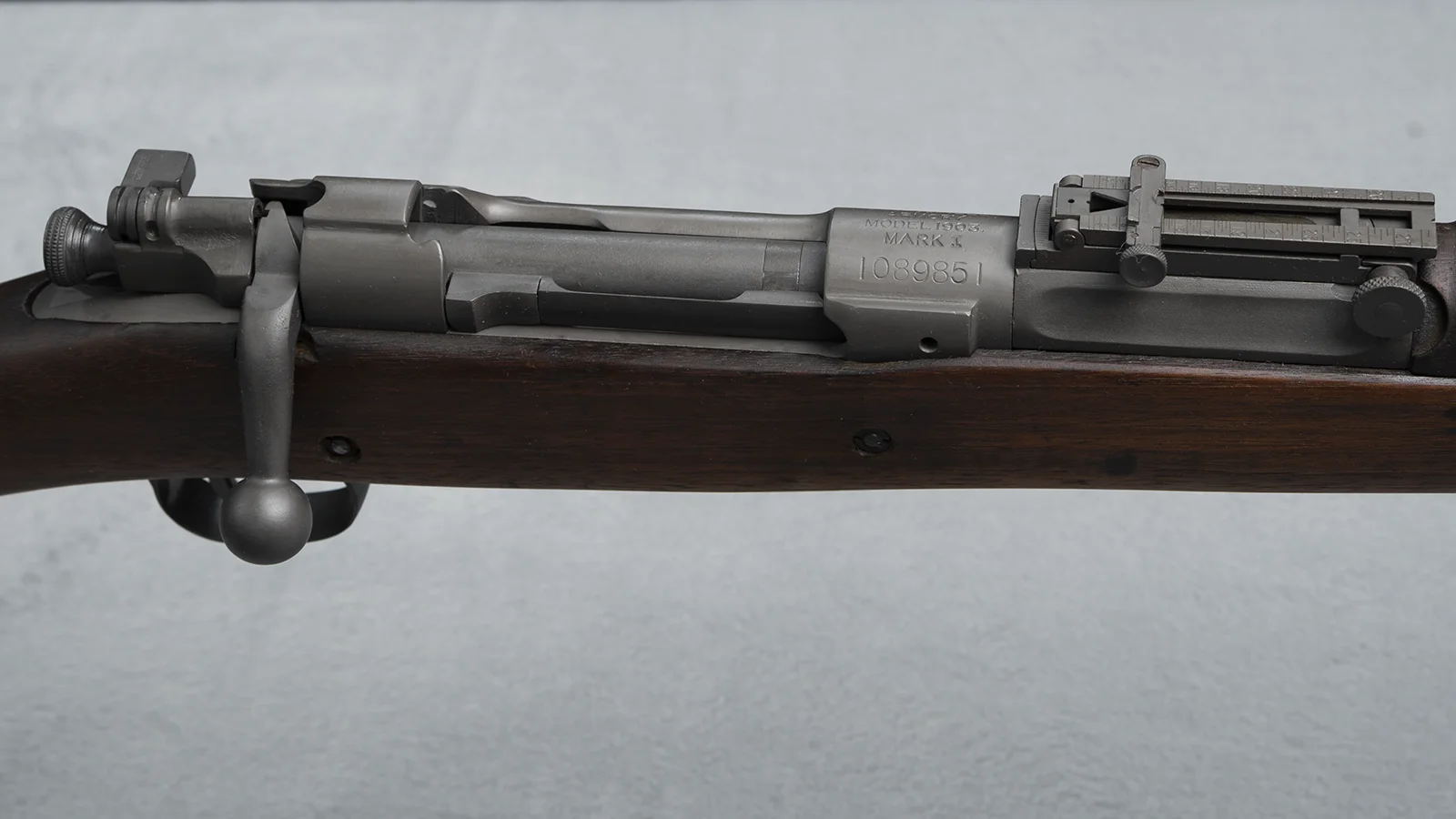
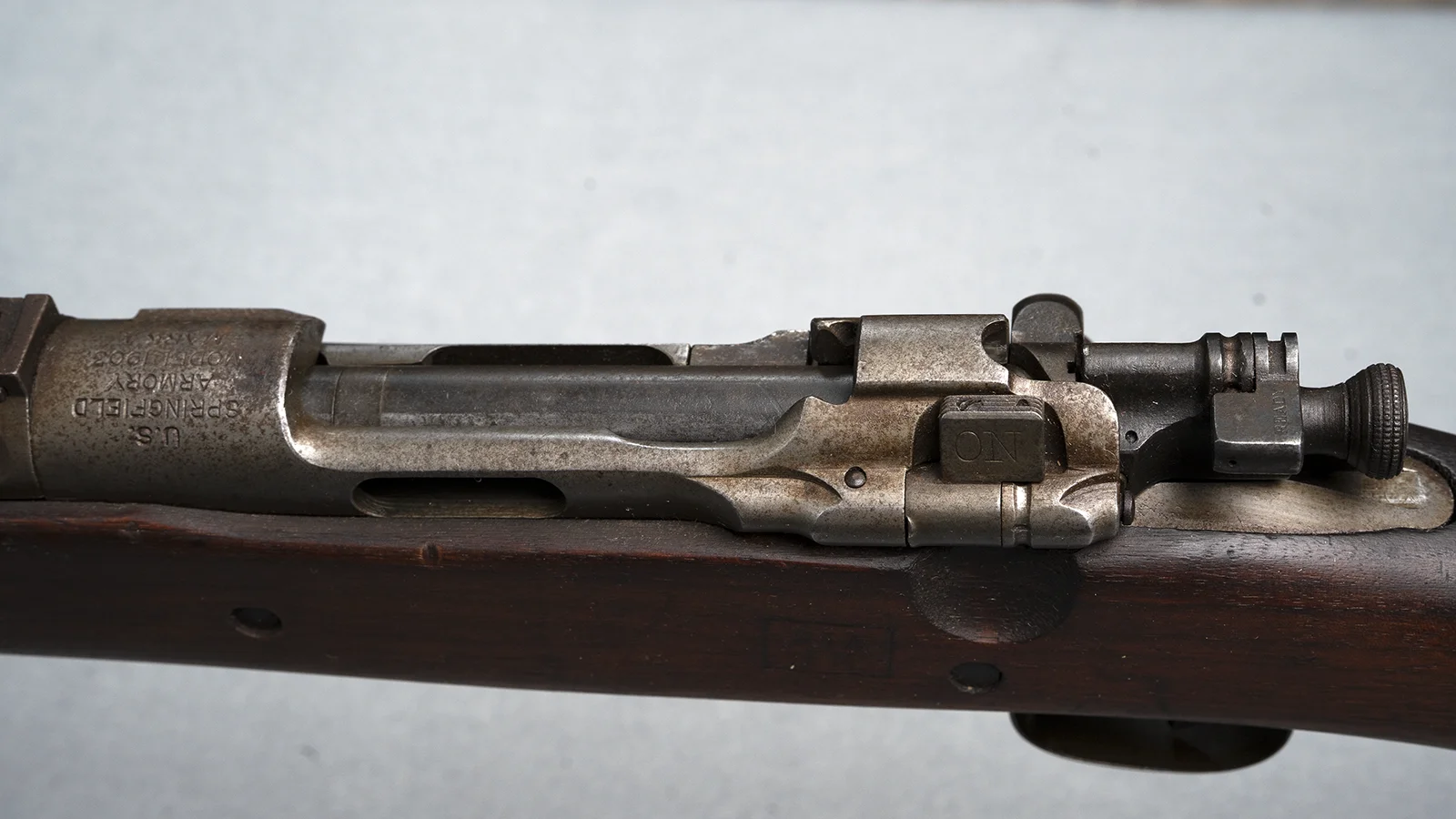
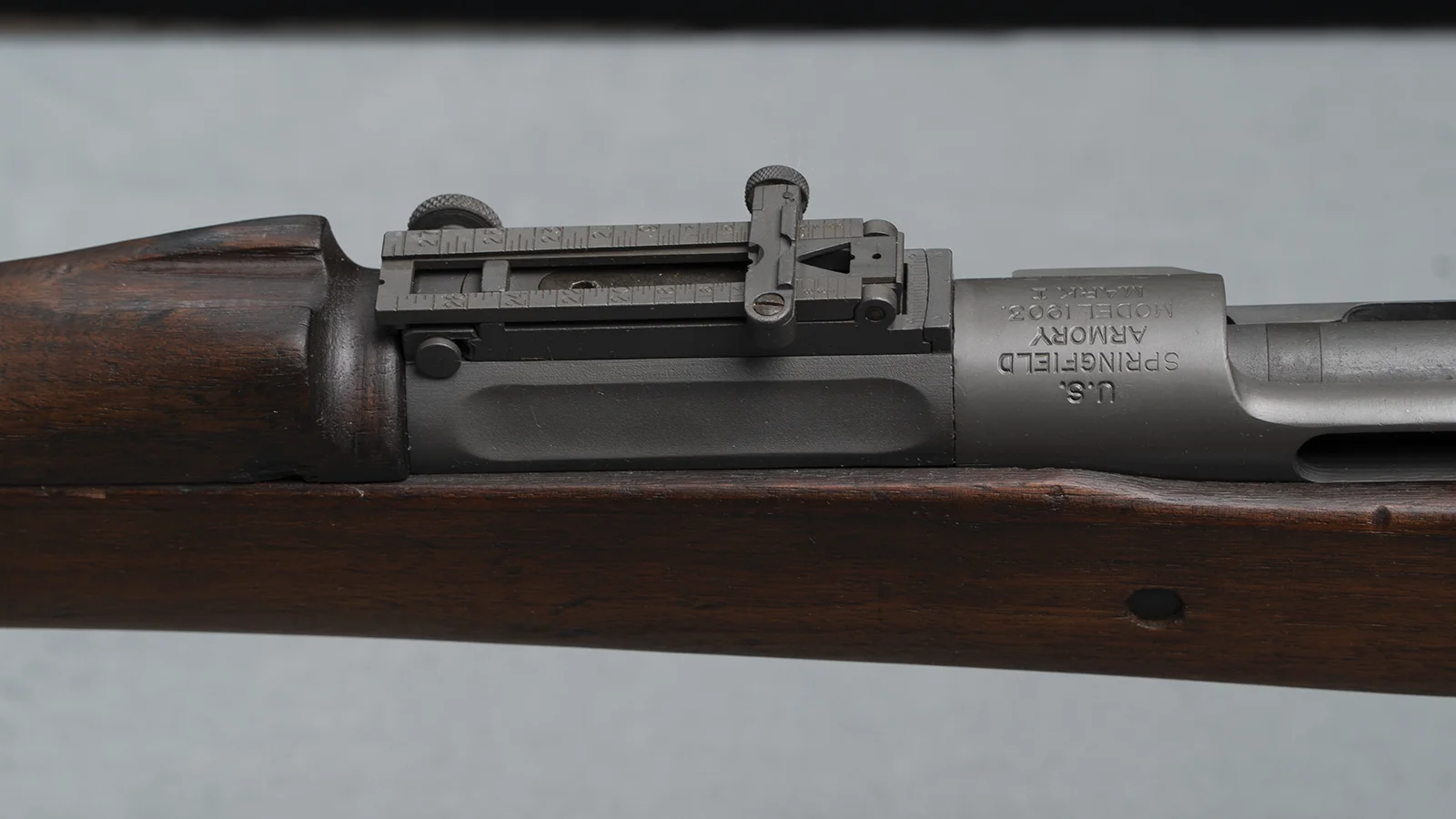
This Springfield 1903 Mark I arrived with extensive finish loss, oxidation, and uneven coloration across the receiver and surrounding components. The metal was carefully prepared and re-Parkerized to restore a uniform, period-appropriate military finish while preserving the rifle’s markings, edges, and original character.
Period-Appropriate Military Finish
The completed finish provides the subdued, non-reflective appearance associated with traditional military Parkerizing. Close examination also shows that the receiver markings and smaller sight components remain well defined after preparation and refinishing.
What the Customer Said
“Hi Paul, I got the barreled receiver today, and I can’t believe how happy I am with the outcome of the finished rifle.”
Barry — Michigan
Firearm Parkerizing project
Common Parkerizing Questions
Considering This Finish for Your Firearm?
Tell us about your firearm, its condition, and what you would like to accomplish. We'll help determine the appropriate finish and level of preparation for your project.